As Web3 technology expands into entertainment and content sectors, traditional token models are evolving from simple mediums of exchange into more complex tools for economic coordination. In ecosystems centered around IP, tokens are no longer just for payments, they must also connect content value, user behavior, and revenue distribution.
Against this backdrop, LumiWave Protocol introduces the LWP token as the core component of its economic system, building a value circulation framework around digital content and assetization. This design positions the token as a crucial bridge linking content, users, and value.
What is LWP? The Core Token of the LumiWave Ecosystem
As the native token of LumiWave Protocol, LWP has a total supply of 770,075,466 and plays a central role in value transfer and incentive distribution across the network. Its design goes beyond transactional use, supporting a wide range of interactions within the ecosystem.
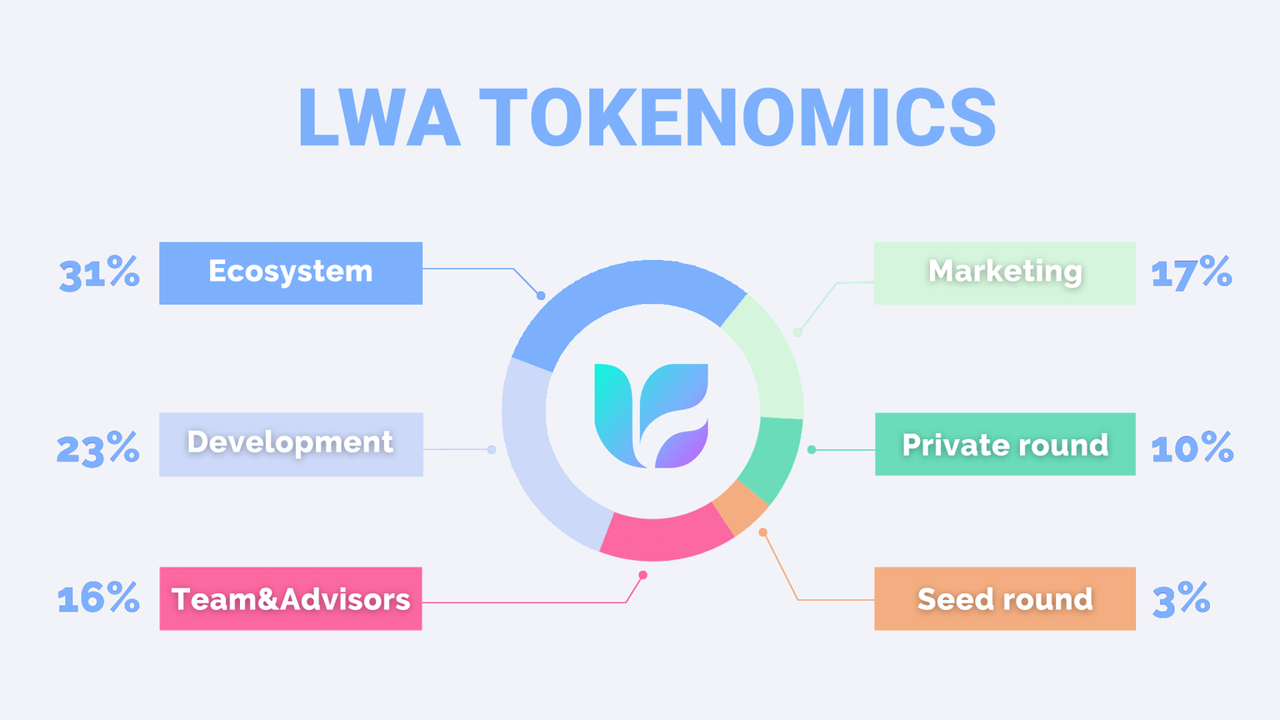
Unlike traditional payment-focused tokens, LWP emphasizes its role as a “coordination mechanism,” using a unified unit of value to quantify and distribute the contributions and behaviors of different participants.
Core Functions of LWP: Payment, Incentives, and Network Participation
LWP’s role in the LumiWave ecosystem extends far beyond basic payments. It underpins a multi-layered set of use cases built around the IP industry and gaming environments, forming a value circulation system centered on content assets.
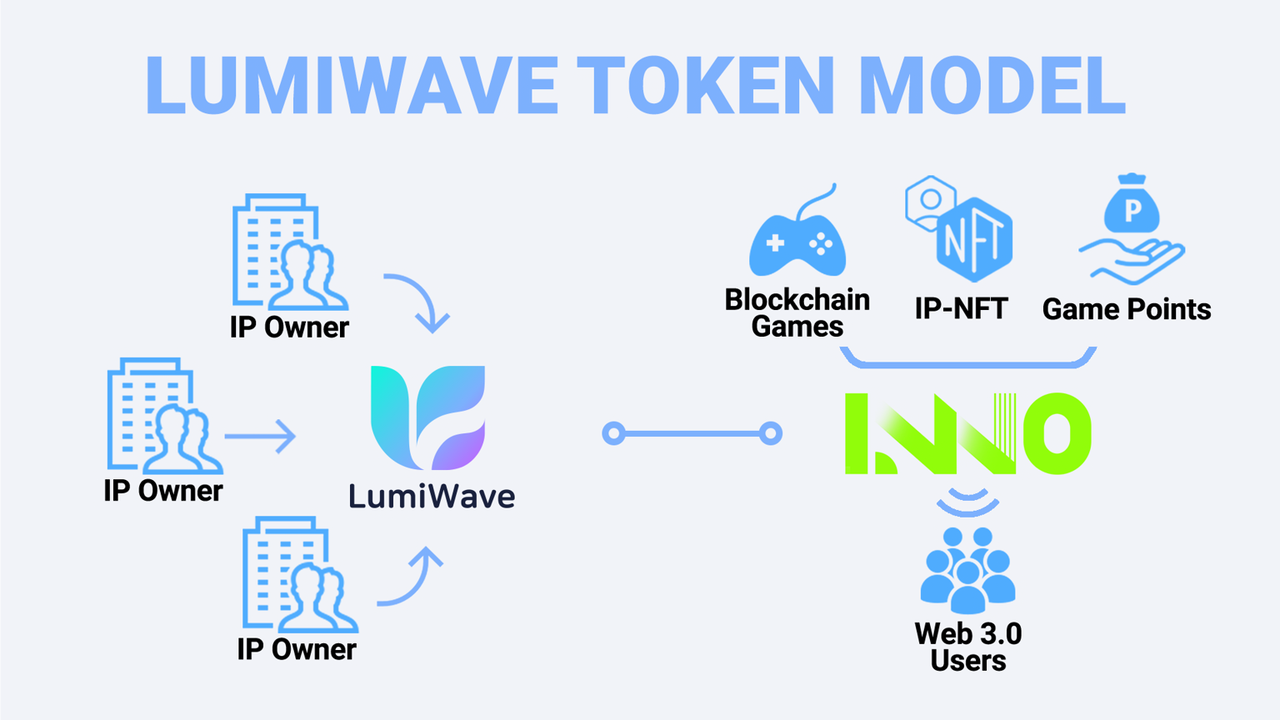
First, LWP serves as the primary medium of exchange on the INNO Platform marketplace, where it is used to purchase NFTs, in-game items, and other digital assets. With a unified token system, users can freely trade and hold assets within the platform, enhancing both immersion and liquidity.
Second, LWP plays a key role in incentives within the gaming ecosystem. It is used to support liquidity pools, such as Swap Pools, providing rewards to participants, and is also distributed through marketing campaigns and airdrops. This approach helps attract user participation and boosts engagement with both content and games, strengthening the overall IP ecosystem.
At the IP asset level, LWP also supports the acquisition and investment in high-quality content. Through token-driven mechanisms, the ecosystem can continuously introduce new IP resources and promote their development and application in Web3 games and content scenarios. In this way, IP evolves from static content into an interactive economic asset.
In addition, LWP carries governance functions, allowing users to take part in decision-making processes. Token holders can vote on key matters, with results directly influencing system outcomes and being transparently recorded on-chain. Participants may also receive incentives based on governance outcomes, creating a user-driven governance structure.
Sources of Value in the LumiWave Ecosystem: Digital Content and Assetization
In LumiWave, value does not come from a single type of transaction. Instead, it emerges from a combination of user-driven activities.
Primary sources of value include content consumption, such as viewing or usage, user interactions like sharing and participation, and broader ecosystem activities within applications. These actions are recorded on-chain and gradually translated into measurable value.
The key to this mechanism lies in the fact that value is not predefined. It is dynamically generated through user participation, allowing IP to become an asset that continuously produces value over time.
LWP’s Value Capture Mechanism: Linking Tokens and Assets
LWP captures value primarily by acting as a unified unit for pricing and distribution.
When users interact with IP assets, those actions are recorded and converted into quantifiable data. This data then forms the basis for value distribution, with LWP serving as the medium through which value is expressed and transferred.
It is important to note that LWP does not directly represent ownership of any specific IP. Instead, it is indirectly linked to asset value through system mechanisms, enabling a more flexible economic model.
Value Distribution Logic: Structure and Flow Among Participants
Value distribution within LumiWave typically involves multiple stakeholders.
Creators, as content producers, earn returns tied to the performance of their IP. Users, as participants, may also receive incentives based on their interactions. Developers and nodes are rewarded for providing infrastructure and application support.
Distribution is generally executed according to predefined rules and automated through on-chain mechanisms, ensuring transparency and reducing the need for manual intervention. This makes the process more predictable and traceable.
Incentive Design: How LWP Drives the Ecosystem
LWP’s incentive system creates a positive feedback loop.
When token incentives encourage user participation, content usage and dissemination increase, which in turn enhances the overall value of IP. As value rises, more participants are drawn into the ecosystem, forming a continuous growth cycle.
This can be understood as a “content, user, value” flywheel, with the token acting as the driving force that aligns the behavior of different participants.
Circulation and Flow of LWP Within the Ecosystem
LWP operates within a closed-loop circulation system. Users earn tokens through participation, then spend them on content consumption or applications. Creators generate income from their content and may reinvest it back into the ecosystem. Developers and other participants also exchange value within this cycle.
This continuous flow keeps the token circulating within the system rather than being consumed in a one-way process, enhancing the sustainability of the ecosystem.
Advantages and Potential Limitations of the LWP Token Model
One of LWP’s main strengths lies in its IP-centered value distribution framework, which allows content to directly participate in on-chain economic activity. Its multifunctional design also expands use cases and increases overall ecosystem engagement.
However, the model also faces certain challenges. Designing fair and effective value measurement standards can be complex, especially when different types of contributions are difficult to quantify. In the early stages, there may also be imbalances in incentive distribution.
These factors suggest that the economic model will require continuous refinement and adjustment over time.
Conclusion
The LWP token model integrates digital content, user behavior, and value distribution into a unified system, forming an IP-centric economic framework for LumiWave. Its core lies in enabling value capture and circulation through token mechanisms, transforming content from a static asset into a dynamic economic participant.
Overall, LWP is not just a transactional tool, but a coordination mechanism that connects all participants within the ecosystem, enhancing the sustainability and scalability of Web3 entertainment.
Frequently Asked Questions (FAQs)
What is the primary use of LWP?
It is used for payments, incentive distribution, and ecosystem participation, serving as the network’s core value carrier.
What are the sources of value in LumiWave?
They mainly come from content consumption, user interaction, and ecosystem activities.
Does LWP represent ownership of a specific IP?
No, it does not directly represent ownership, but is indirectly linked to IP value through system mechanisms.
How can users obtain LWP?
Typically by participating in content interactions or ecosystem activities and receiving incentives.