What Crypto Does MetaMask Support?
Major Blockchain Networks MetaMask Handles Natively
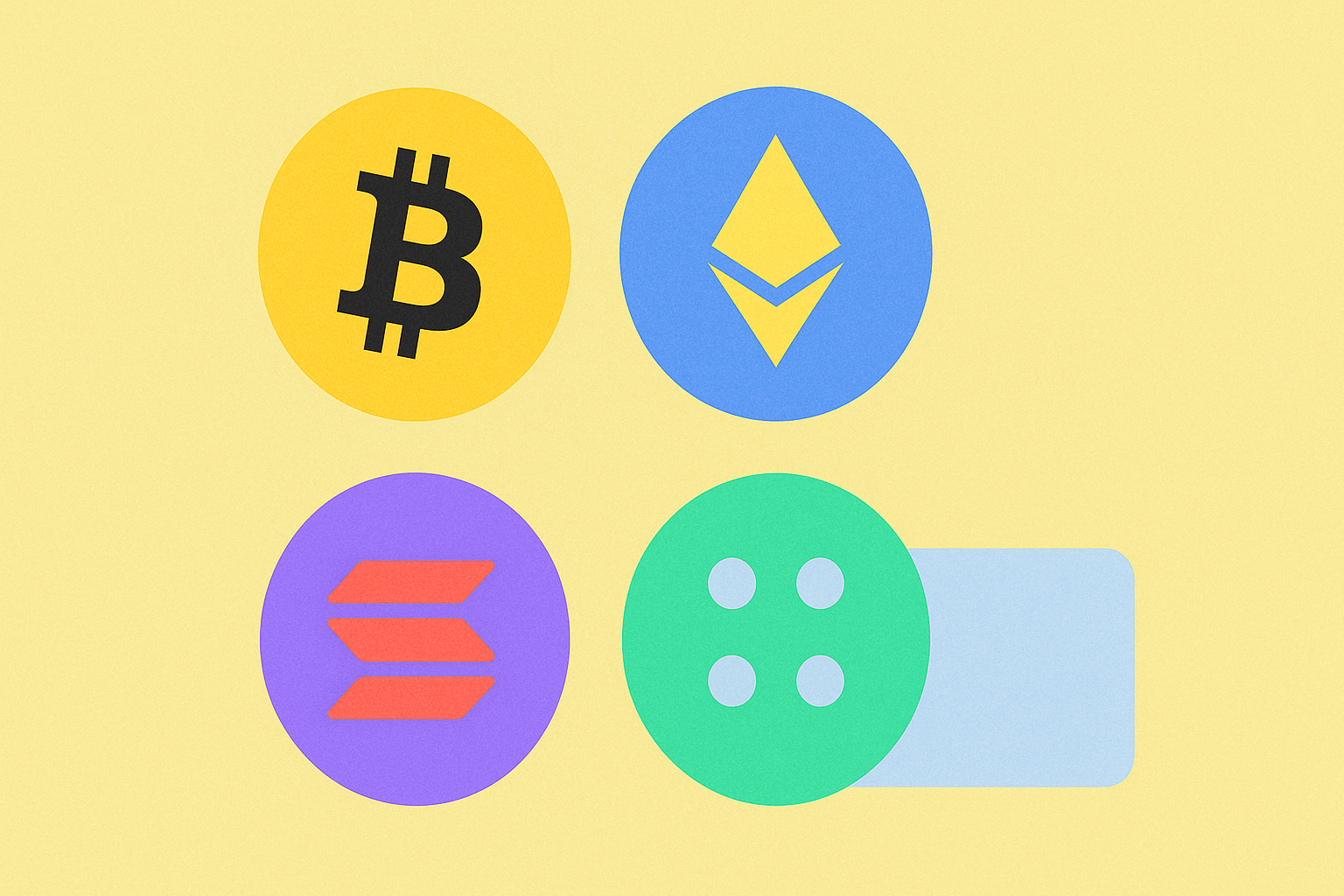
MetaMask has established itself as a comprehensive multi-chain wallet platform that extends far beyond its Ethereum origins. The wallet now supports Bitcoin natively, enabling users to buy Bitcoin directly with fiat currency, execute on-chain Bitcoin network transfers, and swap between Bitcoin and EVM-native assets as well as SOL tokens. This expansion represents a significant shift in MetaMask's architecture, transforming it from a primarily Ethereum-focused wallet into a truly diversified cryptocurrency management platform.
On the Ethereum network, MetaMask provides complete native support for ETH as the primary network currency. However, the ecosystem extends considerably further through integration with multiple EVM-compatible blockchains. These include Layer 1 networks like Polygon, which operates as a sidechain to Ethereum, and Layer 2 scaling solutions including Optimism and Arbitrum. Each of these networks maintains full compatibility with MetaMask's interface, allowing users to seamlessly transition between different blockchain environments while maintaining consistent wallet functionality. The technical architecture enables users to access decentralized applications and execute smart contracts across these networks without requiring separate wallet solutions. Solana has also been integrated into MetaMask's ecosystem, expanding the wallet's reach into non-EVM environments. This multi-chain approach reflects the evolving cryptocurrency landscape where users require access to diverse blockchain ecosystems rather than remaining siloed within single networks. The native support for these blockchain networks means users can hold native tokens, pay gas fees in network-native currencies, and interact with protocol-specific smart contracts all within the MetaMask interface.
| Blockchain Network | Type | Primary Use Case |
|---|---|---|
| Ethereum | Layer 1 | DeFi, Smart Contracts |
| Bitcoin | Layer 1 | Store of Value, Payments |
| Polygon | Layer 2/Sidechain | Scalability, Low Fees |
| Optimism | Layer 2 | Ethereum Scaling |
| Arbitrum | Layer 2 | Ethereum Scaling |
| Solana | Layer 1 | High-Speed Transactions |
The Complete Cryptocurrency Asset Lineup Available on MetaMask
MetaMask's cryptocurrency support encompasses an extensive range of digital assets through its native ERC-20 token compatibility. The wallet automatically recognizes all ERC-20 compliant tokens on the Ethereum network, which represents millions of different cryptocurrencies and utility tokens. Major stablecoins including USDT, USDC, and DAI are fully supported, allowing users to maintain exposure to fiat-pegged assets while leveraging blockchain infrastructure. These stablecoins maintain critical importance in the DeFi ecosystem because they enable users to execute trades, provide liquidity, and manage transaction costs without experiencing volatility associated with major cryptocurrencies.
Beyond stablecoins, MetaMask supports the complete spectrum of utility tokens, governance tokens, and application-specific tokens deployed on EVM-compatible networks. The wallet's architecture enables support for elastic supply tokens that maintain target prices referencing external values, as well as non-fungible tokens represented by ERC-721 and similar standards. One critical technical consideration that impacts cryptocurrency management on MetaMask involves the requirement for network-native currencies to pay transaction fees and gas costs. Unless users hold a sufficient amount of the network's native currency, they may encounter limitations when attempting to execute transactions or interact with decentralized applications. This reality underscores why maintaining ETH in your wallet proves essential for Ethereum transactions, while other networks require their respective native tokens. The wallet's ability to recognize and display these diverse token types provides users with consolidated asset management across multiple cryptocurrency classes.
MetaMask integrates with third-party service providers to expand its cryptocurrency support capabilities. These partnerships enable the wallet to offer features such as token swapping, direct purchasing of cryptocurrencies with fiat currency, and access to decentralized exchange protocols. Users can execute swaps between different tokens, convert fiat currency into cryptocurrency, and manage their entire digital asset portfolio through MetaMask's unified interface. The integration of perpetuals trading functionality powered by specialized protocols further expands the cryptocurrency instruments available to MetaMask users, enabling them to engage in derivative trading without leaving the wallet environment.
How to Add and Manage Custom Tokens in Your MetaMask Wallet
Adding custom tokens to MetaMask represents a fundamental capability that extends the wallet's support beyond pre-loaded cryptocurrency lists. Users can manually input token contract addresses to add any ERC-20 compliant token to their wallet display and manage holdings of tokens that may not appear in MetaMask's default token registry. This process requires users to locate the specific token's smart contract address on the respective blockchain explorer, then input this information into MetaMask's token addition interface. The wallet will automatically retrieve token details including the token's name, symbol, and decimal places once the contract address has been verified. This mechanism enables MetaMask users to access virtually any cryptocurrency built on supported blockchains, regardless of whether the token has achieved widespread exchange listing or mainstream recognition.
The process of adding custom tokens demonstrates MetaMask's flexibility in supporting emerging cryptocurrency projects and specialized tokens designed for specific use cases. Users can add tokens from new blockchain projects, specialized governance tokens for decentralized autonomous organizations, or niche utility tokens deployed within specific ecosystems. Once added, these custom tokens display in the user's wallet alongside major cryptocurrencies, allowing for comprehensive asset tracking and management. The wallet's interface enables users to view current token balances, transaction histories, and token values in real-time, facilitating informed decision-making regarding asset allocation and portfolio management.
Managing custom tokens within MetaMask involves straightforward interface controls that allow users to organize their cryptocurrency holdings according to personal preferences. Users can remove tokens from their active display without deleting the underlying holdings, hide low-value tokens to reduce visual clutter, and organize tokens into logical groupings based on function or origin. The wallet maintains complete records of all transactions involving custom tokens, enabling users to track their portfolio performance and maintain tax compliance documentation. Advanced users can leverage MetaMask's network-switching capabilities to manage the same token across multiple blockchain deployments, recognizing that tokens deployed on different networks represent distinct assets despite sharing identical names or symbols. This organizational flexibility proves particularly valuable for experienced cryptocurrency users managing complex portfolios across multiple EVM-compatible networks and non-EVM chains.
MetaMask Card's Supported Tokens and Spending Options
MetaMask's integrated card functionality extends cryptocurrency utility into real-world spending scenarios, enabling users to convert their digital assets into fiat currency at the point of sale. The card supports spending from major stablecoins including USDC and other fiat-pegged tokens that maintain direct redemption value. This feature addresses a critical limitation in cryptocurrency adoption by enabling seamless conversion between blockchain-based assets and traditional payment systems without requiring intermediate exchange transfers. Users can fund their MetaMask card through direct token transfers, swaps from other cryptocurrencies held within the wallet, or by converting fiat currency directly into stablecoins through integrated purchasing mechanisms.
The spending mechanics of MetaMask's card functionality require users to maintain sufficient stablecoin balances to support their intended transactions. When users execute purchases using the card, MetaMask automatically converts the required stablecoin amount into the merchant's local currency through integrated conversion services. This real-time conversion process ensures that users pay consistent prices regardless of cryptocurrency market volatility, while merchants receive payment in their preferred fiat currency. The card interface displays transaction history, remaining balance, and conversion rates, providing transparency regarding spending patterns and currency conversion costs. Users can set spending limits within the MetaMask card settings, enabling better budget control and security management for their cryptocurrency holdings.
The supported tokens for MetaMask card spending reflect the wallet's emphasis on stablecoin utility and practical cryptocurrency adoption. USDC represents the primary supported stablecoin for card transactions, with additional token support depending on the specific regions and card provider partnerships available to users. This focus on stablecoins aligns with the practical requirements of point-of-sale transactions, where price stability proves essential for both merchants and consumers. Users seeking to spend alternative cryptocurrencies through the MetaMask card would first convert those assets into supported stablecoins through the wallet's swap functionality, a process that incurs minimal fees and executes within seconds. The card system integrates with traditional payment processing infrastructure, enabling compatibility with both physical point-of-sale terminals and online merchants worldwide. This infrastructure represents a significant advancement in making cryptocurrency accessible for everyday spending, moving beyond the philosophical benefits of blockchain technology toward practical utility that addresses real consumer needs in commerce.
Share
Content
How to Buy Cryptocurrency


Trending Cryptocurrencies



XZXX: A Comprehensive Guide to the BRC-20 Meme Token in 2025

Bitcoin Fear and Greed Index: Market Sentiment Analysis for 2025
Top Crypto ETFs to Watch in 2025: Navigating the Digital Asset Boom

5 ways to get Bitcoin for free in 2025: Newbie Guide

Bitcoin Market Cap in 2025: Analysis and Trends for Investors
2025 Bitcoin Price Prediction: Trump's Tariffs' Impact on BTC

Renowned NFT Creators and Iconic Digital Art Collections

Top Altcoins Primed for Massive Growth You Shouldn't Miss!
Understanding the Distinctions Between Futures and Forward Contracts
Introduction to MetaMask: A Beginner's Guide to Crypto Wallets
Become a Web3 Developer: Key Skills and Career Path Essentials in Blockchain