User_any

vip
No content yet
#CryptoMarketsRiseBroadly
Cryptocurrency markets are entering April 2026 with a strong recovery trend, with broad-based bullish sentiment observed in leading assets and altcoins. In particular, Bitcoin's renewed approach to the $68,000-$69,000 range and Ethereum's higher rate of increase indicate a gradual return of risk appetite in the market. According to data from the last 24 hours, the total cryptocurrency market capitalization has reached approximately $2.45 trillion, while trading volumes have exceeded $120 billion, demonstrating renewed strength in liquidity.
Global macroeconomic devel
BTC2,6%
ETH4,12%
BNB1,45%
XRP2,96%
User_anyvip
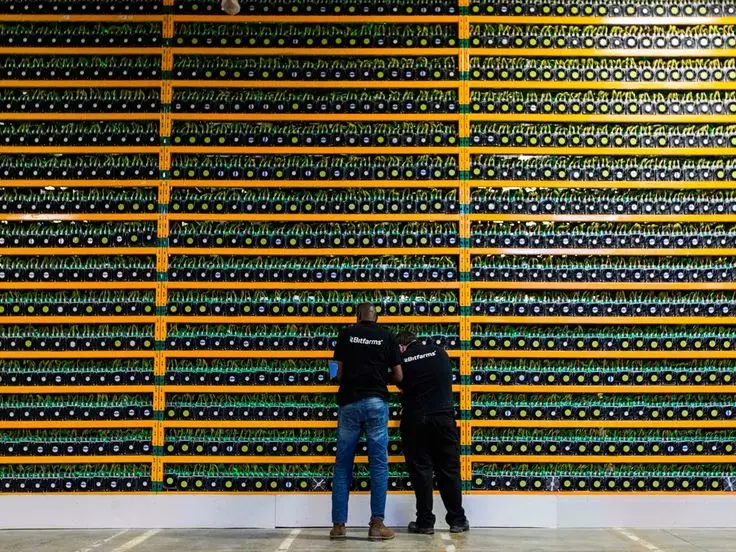
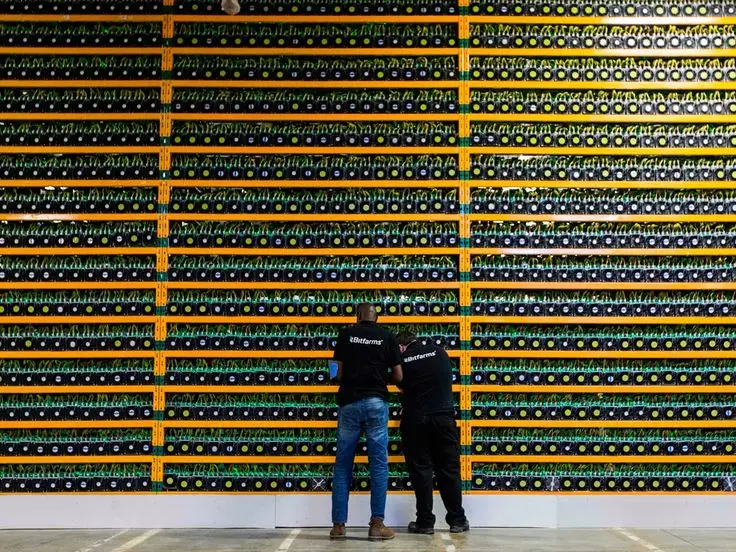
A game-changing development has occurred in the cryptocurrency market. Bitfarms, a leading Bitcoin mining company, announced its intention to abandon its traditional "hold whatever it takes" (HODL) strategy and gradually sell all of its Bitcoin holdings, shifting its operations towards the high-potential artificial intelligence (AI) sector. This radical decision could herald a larger transformation within the mining industry.
Why Now and What Does It Mean?
Bitfarms CEO Ben Gagnon's clear statement during the fourth-quarter earnings report presentation, "Over time, we will have no Bitcoin left," resonated strongly in the market. The company has several key motivations for taking this step:
Diversifying Revenue: Instead of being solely dependent on Bitcoin's volatile price, they aim to create a more stable and predictable revenue stream by taking a share of the AI computing market, one of the biggest technology trends of recent years. Operational Efficiency: The high-energy and advanced infrastructure built for Bitcoin mining provides an ideal foundation for the intensive processing power required by AI models. Bitfarms aims to utilize its assets more profitably by leasing this infrastructure to AI companies. Directing Capital Towards Growth: The company, currently holding approximately 1,827 BTC (worth approximately $120 million), will use the capital obtained from selling these assets directly to expand its AI infrastructure and operations. This means growth through equity rather than debt.
This Isn't Unique to Bitfarms
This trend isn't unique to the sector. Recently, another mining giant, Marathon Digital (MARA), announced that it had sold over $1 billion worth of Bitcoin. This shows that miners are no longer passive players simply accumulating Bitcoin, but are adopting an active treasury management strategy based on market conditions and new opportunities.
What Does This Development Mean for the Market?
This strategy change by miners could have significant short-term and long-term effects on the market:
1. Risk of Short-Term Selling Pressure:
Miners are the most regular and largest sellers in the market. The shift from HODL strategies to regular selling by large players like Bitfarms and MARA could create predictable selling pressure on the market. These sales, particularly those aimed at profit-taking during periods of price increase, could limit upward movement.
2. Bitcoin's Maturation as a "Commodity":
This indicates that Bitcoin is no longer just a speculative asset, but a "digital commodity" used by miners to cover operational costs and for strategic investments. Miners are beginning to act like oil companies that sell their oil and drill new wells. This is a significant sign of market maturity.
3. Shift in Institutional Perception:
The integration of mining companies into traditional technology sectors like artificial intelligence could positively impact the perception of institutional investors outside of crypto towards the sector. This makes mining companies more understandable and "investable" for Wall Street.
4. Long-Term Positive Signal:
Miners increasing their profitability and making their operations more efficient is positive for the overall health and security (hashrate) of the network in the long term. Financially stronger and more stable mining companies are more resilient to sharp market downturns, which strengthens the entire ecosystem.
The Beginning of a New Era
Bitfarms' "zero Bitcoin" goal is opening a new era in the mining sector. Miners are no longer just passive HODLers extracting digital gold; they are transforming into dynamic companies that operate at the intersection of technology and energy markets, actively manage their balance sheets, and seek new areas of growth. While this strategic evolution may cause market fluctuations in the short term, it lays the foundation for a healthier and more mature Bitcoin ecosystem in the long term.
$BTC #CanBTCHold65K?
#CryptoMarketsRiseBroadly
#CreatorLeaderboard
repost-content-media
  • Reward
  • 2
  • Repost
  • Share
Vortex_Kingvip:
LFG 🔥
View More
Check in to Stream, Sprint for VIP+1 and Monthly Bonus https://www.gate.com/campaigns/4429?ref=BVVEVQ9c&ref_type=132
post-image
  • Reward
  • 1
  • Repost
  • Share
Vortex_Kingvip:
To The Moon 🌕
#AreYouBullishOrBearishToday?
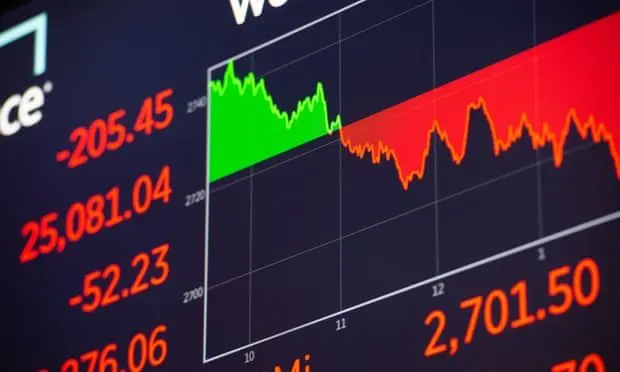
As we enter the second quarter of 2026, determining the direction of global markets has become more difficult than ever. Crypto markets are exhibiting a pattern of being caught between macroeconomic data, geopolitical tensions, and sharp fluctuations in commodity prices.
A sideways and uncertain price movement is noticeable across the market, particularly led by Bitcoin and Ethereum, while a "high caution" mode is prominent in investor behavior.
In this environment, the fundamental question for the market is becoming increasingly clear:
Is today bullish or bearis
BTC2,6%
XAUUSD1,16%
XAGUSD-0,81%
post-image
post-image
post-image
  • Reward
  • 5
  • Repost
  • Share
Vortex_Kingvip:
2026 GOGOGO 👊
View More
#DubaiCryptoDerivativesRules
Derivatives, which are expected to become the largest volume segment of global crypto markets by 2026, are now at the forefront of regulatory focus. One of the most notable moves in this transformation comes from Dubai.
The Dubai Virtual Assets Regulatory Authority (VARA) has officially launched its long-awaited crypto derivatives regulatory framework. The new rules are not merely a technical regulation; they are also seen as a critical building block in Dubai's strategy to become a "global crypto financial center."
VARA's Exchange Services Rulebook Version 2.1 es
post-image
post-image
  • Reward
  • 2
  • Repost
  • Share
Vortex_Kingvip:
LFG 🔥
View More
#HKStablecoinLicensesDelayed
Hong Kong had clearly set out its goal of leadership in the global crypto finance ecosystem with the Stablecoin Act, which came into effect in 2025. The plan to issue the first stablecoin licenses in March 2026, in particular, created significant anticipation in the market. However, the failure to issue any licenses by the end of March has become a critical turning point for both investors and industry players.
This delay is not merely a calendar deviation; it is also seen as a sign of a deeper transformation in terms of regulation, risk management, and the balanc
post-image
post-image
  • Reward
  • 3
  • Repost
  • Share
Vortex_Kingvip:
LFG 🔥
View More
post-image
post-image
post-image
User_anyvip
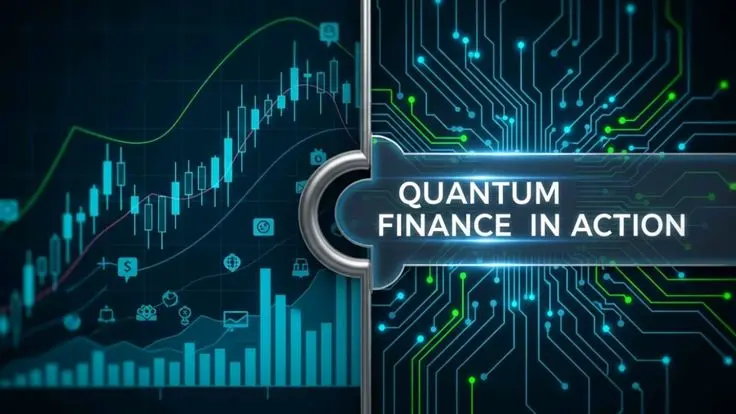
Quantum warnings from Google have ignited a new debate in the crypto market. The issue isn't just about price, but directly about security and the infrastructure of the future.
The development of quantum computers raises concerns that today's cryptographic systems may be vulnerable to breaches in the long term. This represents a new risk for all blockchain projects, especially Bitcoin and Ethereum.
Especially on the Ethereum side, developers are taking a more proactive approach. Quantum resilience and security architecture are increasingly prominent in future network updates. This positions Ethereum differently in terms of technology adoption from a long-term investment perspective.
On the Bitcoin side, a more cautious and conservative approach prevails. While security improvements are being discussed, the change process is progressing more slowly. According to some experts, this raises questions about preparedness for potential future threats.
The critical point here is that focusing solely on price movements is no longer sufficient in the crypto market. The technological resilience of networks, particularly their preparedness against quantum threats, will be decisive for long-term valuation.
It's crucial not to overlook this new reality when building a portfolio. Projects that technologically update themselves, improve their security infrastructure, and adapt to future risks may come to the forefront.
In the coming period, one of the most important topics for investors will be quantum resilience. Steps taken in this area are becoming one of the most critical factors in determining whether projects survive.
$BTC $ETH
#CreatorLeaderboard
repost-content-media
  • Reward
  • 1
  • Repost
  • Share
YamahaBluevip:
To The Moon 🌕
#GoogleQuantumAICryptoRisk
Google's Report Changes the Timeline for the Crypto World
The quantum threat, long considered a theoretical risk by the cryptocurrency ecosystem, has become a concrete and urgent issue with a technical report published by the Google Quantum AI team on March 31, 2026. The report reveals that the encryption systems protecting giant blockchains like Bitcoin and Ethereum can be broken with significantly less quantum computing power than previously assumed, forcing the industry to rewrite its security timeline. These findings demonstrate that a transition to post-quantum
BTC2,6%
ETH4,12%
post-image
User_anyvip
Google's Report Changes the Timeline for the Crypto World
The quantum threat, long considered a theoretical risk by the cryptocurrency ecosystem, has become a concrete and urgent issue with a technical report published by the Google Quantum AI team on March 31, 2026. The report reveals that the encryption systems protecting giant blockchains like Bitcoin and Ethereum can be broken with significantly less quantum computing power than previously assumed, forcing the industry to rewrite its security timeline. These findings demonstrate that a transition to post-quantum cryptography (PQC) is no longer a preference, but an urgent necessity.
The most striking finding of the report is the dramatic decrease in resource estimates required for a quantum attack. While previously it was thought that such an attack would require millions of qubits, Google researchers now predict that fewer than 500,000 physical qubits would suffice; this represents an 80% reduction compared to previous estimates. According to the theoretical scenario presented in the study, a quantum computer with sufficient power could crack a Bitcoin private key in approximately 9 minutes. Since this time is shorter than the Bitcoin network's block confirmation time, it poses a serious risk, especially for targeted attacks that could exploit vulnerabilities arising at the transaction stage. Similarly, it is estimated that even some of the largest wallets on Ethereum could be cracked in as little as 9 days. At the heart of the threat lies Elliptic Curve Cryptography (ECDSA), which secures these networks. This encryption standard, virtually unbreakable for classical computers, becomes vulnerable to quantum computers capable of running Shor's algorithm.
Google's clear warning also offers a roadmap for the crypto industry. The company has set 2029 as a critical target for transitioning to quantum-resistant encryption within its ecosystem. This date is considered the first potential threshold where the threat could move from theory to practice, rendering the current encryption infrastructure obsolete. In this context, it is emphasized that 2026–2028 should be the year of planning and preparation, and 2029 the year of full adaptation. The developer community responded quickly to this call. Bitcoin core developers have begun working on a new Bitcoin Improvement Proposal (BIP) to strengthen the network against quantum attacks and are testing quantum-resistant security models on test networks. The general consensus within the community is that there is no need for panic, but the adaptation process should definitely not be delayed.
Amidst this technological revolution, discussions focus not only on risks but also on potential opportunities. Figures like Elon Musk, who have commented on the issue, also raise "positive" scenarios, such as the possibility that quantum computers could one day be used to recover lost or inaccessible private keys. This reminds us that the threat is only one side of the coin and that the quantum age can open new and unexpected doors.
In conclusion, Google's report is not a harbinger of a doomsday scenario, but rather a wake-up call. For the crypto world, the question is now "is there a threat?" The question is not, "When will this threat become a reality, and how prepared will we be for that day?" The acceleration of the quantum risk timeline has made the transition to post-quantum cryptography one of the industry's top priorities. If Bitcoin, Ethereum, and other major networks can successfully manage this fundamental and inevitable transformation, they will have secured the long-term safety and future of digital assets.
#CreatorLeaderboard
repost-content-media
  • Reward
  • 5
  • Repost
  • Share
Vortex_Kingvip:
To The Moon 🌕
View More
#ClaudeCode500KCodeLeak
Shock in the AI World: Anthropic Accidentally Leaks 500,000 Lines of Source Code for Claude Code Tool
On March 31, 2026, the AI company Anthropic accidentally leaked over 500,000 lines of source code for its popular coding assistant Claude Code's command-line tool (CLI), causing a major shock in the technology world. The incident was recorded as a packaging issue resulting entirely from human error, rather than a cyberattack or security breach.
How Did the Leak Occur?
It all began with the release of npm package 2.1.88 for the Claude Code tool. A 59.8 MB "source map" f
post-image
post-image
  • Reward
  • 9
  • Repost
  • Share
Vortex_Kingvip:
2026 GOGOGO 👊
View More
#GoldSilverRally About 👉 $XAGUSD ‌The silver rally is gaining momentum in 2026, driven by a combination of key factors including an industrial demand boom, geopolitical tensions, a strong correlation with gold, supply constraints, and a weakening dollar. The price of silver per ounce is currently around $74.15 as of April 1, 2026, showing a recent recovery despite a correction in March following record highs above $100 in January. The most significant reason is the record-high global industrial demand, particularly the rapid growth in green energy sectors such as solar panels, electric vehi
XAGUSD-0,81%
User_anyvip
$XAUUSD $XAGUSD
Precious metals have turned upwards in global markets. The rally in gold and silver markets is gaining momentum. The price of gold is currently at $4,719 per ounce, having gained 1.1% in the last day. The price of silver has risen to around $74.15 per ounce. In the first months of 2026, gold hit records exceeding $5,000 and silver surpassed $100. Following a correction, safe-haven buying has revived due to geopolitical tensions, the oil rally, and economic uncertainties. Expert analyses indicate that caution is advised in the short term, but in the long term, new peaks are possible with expectations of interest rate cuts and a trend away from the dollar. Looking at the data over the past year, gold has risen by 51%, while silver has shown a performance parallel to industrial and safe-haven demand. These developments, supported by global demand and supply dynamics, continue to attract the attention of investors.
#GoldSilverRally
  • Reward
  • 5
  • Repost
  • Share
Vortex_Kingvip:
To The Moon 🌕
View More
#GoldSilverRally About $PAXG $XAUT $XAUUSD ‌The gold rally is gaining momentum in 2026 due to a combination of key factors including geopolitical tensions, central bank purchases, interest rate cut expectations, a weakening dollar, and economic uncertainties. The price of gold per ounce is hovering around $4715 as of April 1, 2026, showing a recent recovery despite a correction in March following record highs above $5400 in January. The most prominent reason is the increase in global geopolitical risks: conflicts between Iran, the US, and Israel; a potential war between Russia and Ukraine
PAXG3,15%
XAUT2,99%
XAUUSD1,16%
User_anyvip
$XAUUSD $XAGUSD
Precious metals have turned upwards in global markets. The rally in gold and silver markets is gaining momentum. The price of gold is currently at $4,719 per ounce, having gained 1.1% in the last day. The price of silver has risen to around $74.15 per ounce. In the first months of 2026, gold hit records exceeding $5,000 and silver surpassed $100. Following a correction, safe-haven buying has revived due to geopolitical tensions, the oil rally, and economic uncertainties. Expert analyses indicate that caution is advised in the short term, but in the long term, new peaks are possible with expectations of interest rate cuts and a trend away from the dollar. Looking at the data over the past year, gold has risen by 51%, while silver has shown a performance parallel to industrial and safe-haven demand. These developments, supported by global demand and supply dynamics, continue to attract the attention of investors.
#GoldSilverRally
  • Reward
  • 9
  • Repost
  • Share
Vortex_Kingvip:
To The Moon 🌕
View More
$XAUUSD $XAGUSD
Precious metals have turned upwards in global markets. The rally in gold and silver markets is gaining momentum. The price of gold is currently at $4,719 per ounce, having gained 1.1% in the last day. The price of silver has risen to around $74.15 per ounce. In the first months of 2026, gold hit records exceeding $5,000 and silver surpassed $100. Following a correction, safe-haven buying has revived due to geopolitical tensions, the oil rally, and economic uncertainties. Expert analyses indicate that caution is advised in the short term, but in the long term, new peaks are
XAUUSD1,16%
XAGUSD-0,81%
  • Reward
  • 5
  • 1
  • Share
GateUser-63337a2avip:
dont look back in anger
View More
Hello Gate Square community! I'm briefly sharing my views on the tensions in the Strait of Hormuz and the course of global markets in April 👇
1️⃣ Will the U.S. and Iran reach a ceasefire this month?
I'm cautious; frankly, I don't expect a clear peace or a lasting ceasefire. Even in the most optimistic scenario, I think it will continue for some time with a volatile process that sometimes hardens and then softens. Although Trump's statement on March 31 that "operations could end in 2-3 weeks" and Iranian President Pezeshkian's message that "we are ready to end the war but we want concrete guar
BTC2,6%
ETH4,12%
post-image
  • Reward
  • 6
  • Repost
  • Share
YamahaBluevip:
Diamond Hands 💎
View More
#AprilMarketOutlook
#四月行情预测
Final Negotiations in the Strait of Hormuz
The Strait of Hormuz crisis, at the heart of the US-Iran tension, has severely disrupted global energy flows since February 2026. Iran's de facto closure of the strait or heavy restrictions on passage (with some reports alleging a $2 million transit fee per ship) have affected approximately 20% of global oil trade. Developments in the last 24-48 hours reveal both optimistic signals and deep contradictions in negotiations for a ceasefire and the reopening of the strait. However, the inconsistencies in the statements of the
post-image
post-image
User_anyvip
#四月行情预测
The Strait of Hormuz crisis remains one of the most critical geopolitical bottlenecks disrupting global energy flows following the US-Israeli operations that began in February 2026. Iran's retaliatory closure of the strait affected approximately 20% of global oil and LNG trade, leading to sharp increases in energy prices. However, recent statements from both Washington and Tehran have revived the possibility of a ceasefire in April. Nevertheless, experts emphasize that any agreement could be fragile and that instability in the region could persist for months.
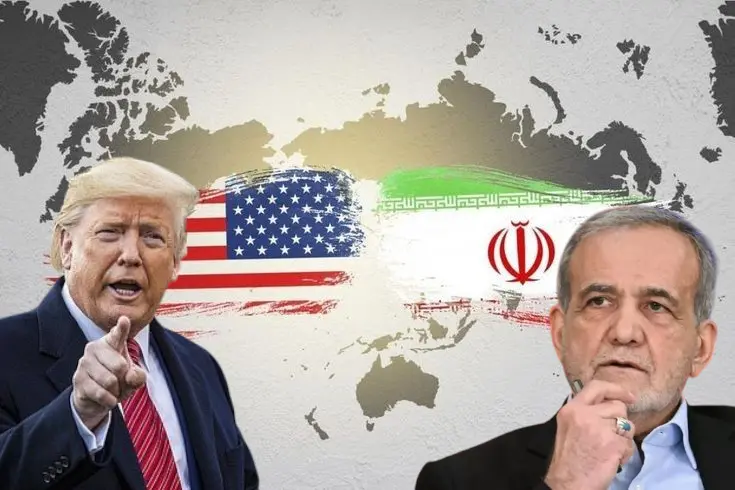
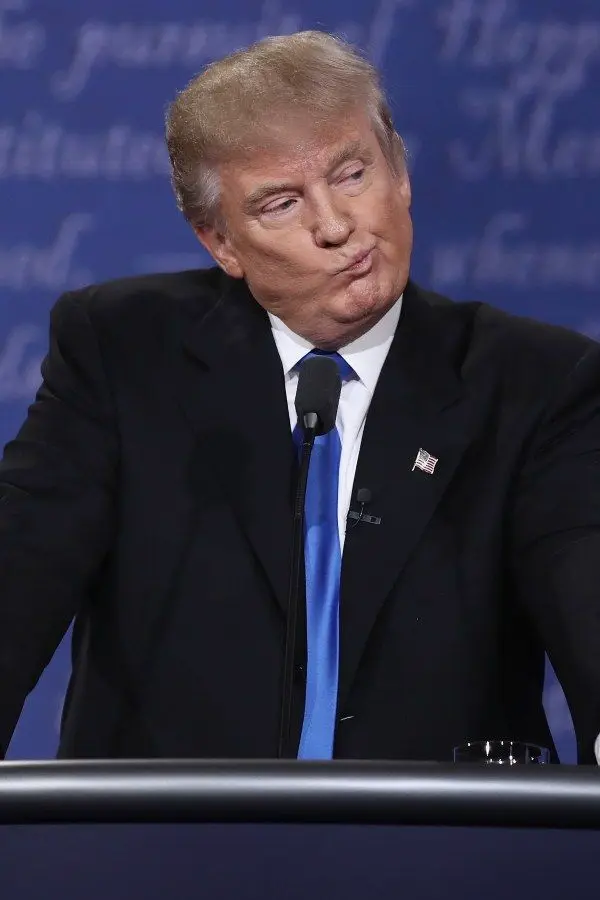
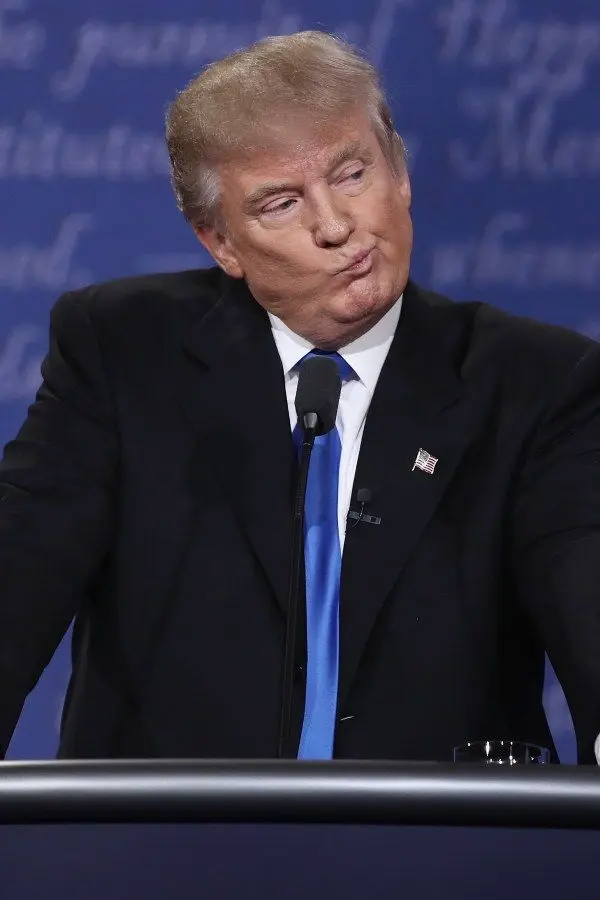
US President Donald Trump, in a statement from the Oval Office on March 31, 2026, stated that US military operations in Iran would end "within two to three weeks" and that they would be "leaving soon." While arguing that the main objectives (preventing nuclear capabilities and regime change) had largely been achieved, Trump implied that the option of withdrawing even before the Strait of Hormuz was fully reopened was still on the table. Trump, who had previously postponed his threats against Iranian energy facilities until April 6, stated that the talks were "going well."
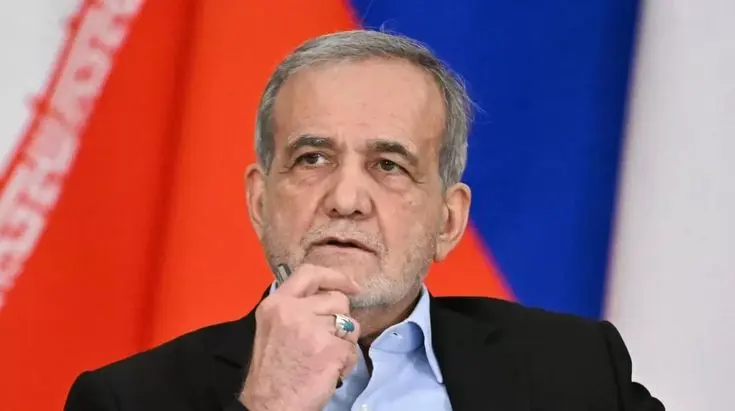
The Iranian side, however, is more cautious. President Masoud Pezeshkian, in his latest statements, indicated that his country "has the will to end the war," but that this would only be possible "with concrete guarantees that will ensure the security and interests of the Iranian people." Tehran rejected the 15-point ceasefire proposal conveyed by the US through Pakistan, instead demanding compensation and sovereignty over the straits. While Iranian officials reiterated that "there are no official negotiations yet," Pezeshkian's emphasis on "guarantees against future attacks" during a phone call with the President of the European Council was noteworthy.
These developments created a brief period of optimism in the markets. Following Trump's timeline and the Iranian leader's "we are ready" signal, US stock markets rose, Bitcoin approached the $71,000 mark, and risk appetite increased somewhat. Precious metals (gold and silver) experienced volatile movements as the geopolitical risk premium decreased; they declined in some sessions and recovered in others. However, analysts remind us that strait traffic is still at very low levels (around 5%) and oil prices are putting pressure above $100. It seems premature to expect lasting relief without a complete ceasefire.
Predictions for April are shaped by this uncertainty. Will a concrete ceasefire between the US and Iran occur this month? There is no clear answer at the moment; both sides are maintaining their positions, and third parties (Pakistan, China, European countries) are playing a mediating role. Although a general bullish optimism prevails in the cryptocurrency market, a sudden reversal of geopolitical shocks could reverse risk appetite at any moment. Regarding sectors where early positions are recommended (energy, defense, precious metals), analysts advise caution, as post-war recovery could take months, even years.
Warning: This text is based on my personal knowledge and commentary regarding the tags and topics in the Gate Square post, using the most up-to-date publicly available news sources. It does not constitute investment advice, encouragement, or recommendation in any way. Markets are highly speculative and unpredictable; geopolitical developments can change rapidly. Approaching events with distance and caution, acting according to your own risk tolerance and independent research, is always the healthiest approach. I recommend following current developments from official sources.
#AprilMarketOutlook
repost-content-media
  • Reward
  • 7
  • 1
  • Share
MagicImmortalEmperorvip:
坚定HODL💎
View More
#四月行情预测
The Strait of Hormuz crisis remains one of the most critical geopolitical bottlenecks disrupting global energy flows following the US-Israeli operations that began in February 2026. Iran's retaliatory closure of the strait affected approximately 20% of global oil and LNG trade, leading to sharp increases in energy prices. However, recent statements from both Washington and Tehran have revived the possibility of a ceasefire in April. Nevertheless, experts emphasize that any agreement could be fragile and that instability in the region could persist for months.
US President Donald Trump
BTC2,6%
post-image
  • Reward
  • 6
  • 1
  • Share
MasterChuTheOldDemonMasterChuvip:
Just go for it 👊
View More
Tehran's Strategy Shift
A New Game Begins for Global Markets and Bitcoin?
The Geopolitical Chessboard is Being Re-set
Global markets are holding their breath, their eyes fixed on the heart of the Middle East. With the new Iranian president, Masoud Pezeshkian, known for his reformist stance, taking power, the moderate tones emanating from Tehran may signify much more than just a change in rhetoric. His willingness to reopen diplomatic channels with the West and revive the JCPOA (Joint Comprehensive Plan of Action) to revitalize his sanctions-ridden economy has the potential to fundamentally alt
BTC2,6%
post-image
User_anyvip
Moderate Messages from Tehran on the Radar of Global Markets
Masoud Pazeshkian, the reformist leader who took office as the President of Iran, is sending important signals that could reduce geopolitical tensions in the Middle East. While it is stated that Pazeshkian's priority is to revive diplomatic relations with the US and Europe and lift sanctions, this closely concerns global risk perception and, consequently, financial markets. Tehran is demanding economic and security guarantees to return to the negotiating table. Is it Just a Change in Rhetoric, or a Strategic Step?
Pazeshkian's use of a more moderate and pragmatic language compared to the previous administration is being closely watched in the international arena. The main reasons behind this new approach are as follows:
Desire to Stop Economic Collapse: Years of heavy economic sanctions have deeply shaken the Iranian economy. The Pazeshkian administration sees the lifting of sanctions as a vital goal to increase the welfare of the people and ensure economic stability. Efforts to Revive the Nuclear Agreement (JCPOA): The administration believes that reactivating the 2015 nuclear agreement is the most realistic path to both economic relief and an end to international isolation. In return, they are demanding strong guarantees that the US will not withdraw from the agreement again.
Strategy to Reduce Regional Tensions: Iran's policy of regional tensions, conducted through proxy forces, is imposing heavy costs on the country. Pezeshkian may be aiming to reduce this tension, redirect resources domestically, and pursue a more integrated policy with the global system.
What Does This Development Mean for Global Markets and Crypto?
The moderate messages from Iran have the potential to turn the global risk barometer positive.
1. Potential for a Decline in Oil Prices:
The reduction in US-Iran tensions eases security concerns in the Strait of Hormuz. The lifting of sanctions and the full return of Iranian oil to the global market could increase oil supply, putting downward pressure on prices. This could also help combat global inflation.
2. Increased Risk Appetite (Risk-On):
A decrease in tensions in the Middle East reduces the geopolitical risk premium globally. This scenario could encourage investors to move away from safe havens like gold and towards riskier assets like stocks and Bitcoin. Increased "risk-on" appetite is generally a positive catalyst for the cryptocurrency market.
3. Positive Impact on Global Trade and Liquidity:
Regional stability reduces the risk of disruptions in global supply chains and stimulates international trade. This contributes to improved global liquidity conditions, positively impacting financial markets overall.
Early but Promising Signal
President Pezeshkian's diplomatic opening, while still in its early stages, is an extremely important development for global markets. It will take time for negotiations to yield concrete results, but even a reduction in tension is positive news for the markets.
Investors will need to closely monitor diplomatic activity between Tehran, Washington, and Brussels, as well as news from the nuclear negotiations, in the coming period. Any positive step in the Middle East has the potential to boost global risk appetite and open new doors for risky assets, including Bitcoin.
$BTC $ETH $XRP
#TrumpSignalsPossibleCeasefire
repost-content-media
  • Reward
  • 22
  • Repost
  • Share
Sakura_3434vip:
2026 GOGOGO 👊
View More
Moderate Messages from Tehran on the Radar of Global Markets
Masoud Pazeshkian, the reformist leader who took office as the President of Iran, is sending important signals that could reduce geopolitical tensions in the Middle East. While it is stated that Pazeshkian's priority is to revive diplomatic relations with the US and Europe and lift sanctions, this closely concerns global risk perception and, consequently, financial markets. Tehran is demanding economic and security guarantees to return to the negotiating table. Is it Just a Change in Rhetoric, or a Strategic Step?
Pazeshkian's use of
BTC2,6%
ETH4,12%
XRP2,96%
post-image
post-image
User_anyvip
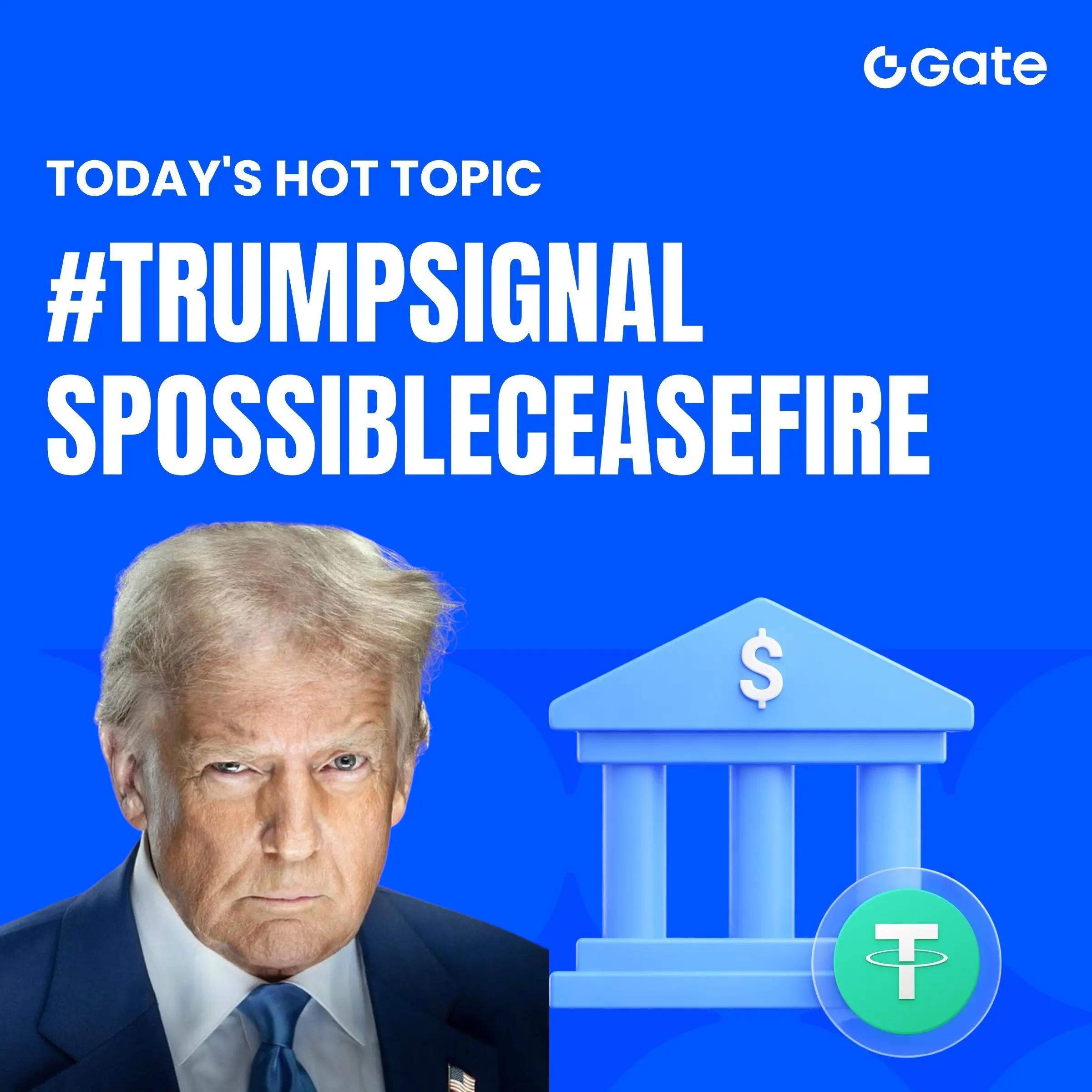
Trump Signals Possible Ceasefire in Ongoing US-Iran Conflict
March 31, 2026 / Washington D.C. about Middle East
In a series of significant statements last week, U.S. President Donald Trump signaled a potential step toward ending hostilities between the United States and Iran, even as military actions and diplomatic tensions continue to shape the volatile situation.
Diplomatic Signals and Military Realities
President Trump, in statements to his aides and the public this week, said he was open to reducing military operations and discussing the possibility of a ceasefire; a departure from his previous rhetoric focused on achieving definitive military objectives and regime change. According to various reports, Trump indicated a willingness to halt aggressive actions if certain conditions were met, leading to optimism among some investors and foreign policy observers.
At the same time, the President issued stern warnings to Tehran, threatening significant attacks on Iranian energy and infrastructure if a ceasefire is not achieved soon. These threats drew criticism from human rights advocates and complicated diplomatic efforts.
Mixed Messages and International Reactions
Trump’s approach provoked a variety of reactions both domestically and internationally:
Skepticism from Gulf States and Regional Partners: Many Gulf Arab governments expressed distrust in US statements about potential talks, reflecting deep concerns about Washington’s consistency in peace efforts.
Official White House Position: The White House attempted to downplay reports that Iranian officials had explicitly rejected US ceasefire offers, emphasizing that talks remained “productive” and stating that no official communication confirming a rejection had been received from Tehran.
Strategic Adjustments and Allied Disappointments
Trump publicly criticized his European allies, particularly the United Kingdom and France, for their inadequate support in the conflict, underscoring the broader diplomatic challenges surrounding any ceasefire. It was argued that Europe should take more responsibility for securing its strategic interests, including reopening important maritime routes such as the Strait of Hormuz if necessary.
Economic and Geopolitical Risks
Global financial markets reacted to the developing ceasefire talks. Stock indices showed gains on days when the possibility of de-escalation of hostilities was discussed, demonstrating investors' sensitivity to reduced geopolitical risk. Meanwhile, the impact of the conflict on maritime routes such as the Strait of Hormuz continues to reverberate in global crude oil and fuel markets, with oil markets and energy supply routes remaining under pressure.
Outlook and Uncertainties
Despite the latest signals, analysts warn that a formal ceasefire agreement has not yet been finalized. Tehran has given mixed responses; some Iranian state sources have denied direct negotiations with Washington. US administration officials have indicated that internal political dynamics in Iran, including potential leadership changes, could affect whether concrete talks take place next week.
Diplomats and conflict experts say a sustainable ceasefire would require agreement on mutual terms, verification mechanisms, and security guarantees; elements that remain unresolved due to ongoing military activity.
Assessment: While President Trump's recent statements have contained language implying openness to de-escalation and even a ceasefire, the current situation still reflects profound uncertainty. Military threats, geopolitical rivalries, and diplomatic skepticism continue to shape how and if a genuine ceasefire can be established in the near term.
#TrumpSignalsPossibleCeasefire
repost-content-media
  • Reward
  • 19
  • 1
  • Share
MasterChuTheOldDemonMasterChuvip:
Just go for it 👊
View More
A game-changing development has occurred in the cryptocurrency market. Bitfarms, a leading Bitcoin mining company, announced its intention to abandon its traditional "hold whatever it takes" (HODL) strategy and gradually sell all of its Bitcoin holdings, shifting its operations towards the high-potential artificial intelligence (AI) sector. This radical decision could herald a larger transformation within the mining industry.
Why Now and What Does It Mean?
Bitfarms CEO Ben Gagnon's clear statement during the fourth-quarter earnings report presentation, "Over time, we will have no Bitcoin left,
BTC2,6%
post-image
  • Reward
  • 20
  • 1
  • Share
ybaservip:
To The Moon 🌕
View More
Why Did the Fed's Use of Reverse Repos Jump Twentyfold in One Day?
Unexpected Development Shakes Markets
Tension suddenly rose in the US money markets, the heart of global finance, last night. The amount used in the reverse repo (RRP) mechanism, which the US Federal Reserve (FED) uses to withdraw excess liquidity from the financial system, jumped from approximately $750 million to $15.78 billion in a single day, showing an almost 20-fold increase. This sudden jump indicates that 12 different financial institutions are seeking emergency cash, reigniting the question of "Is liquidity tightening?
post-image
post-image
User_anyvip
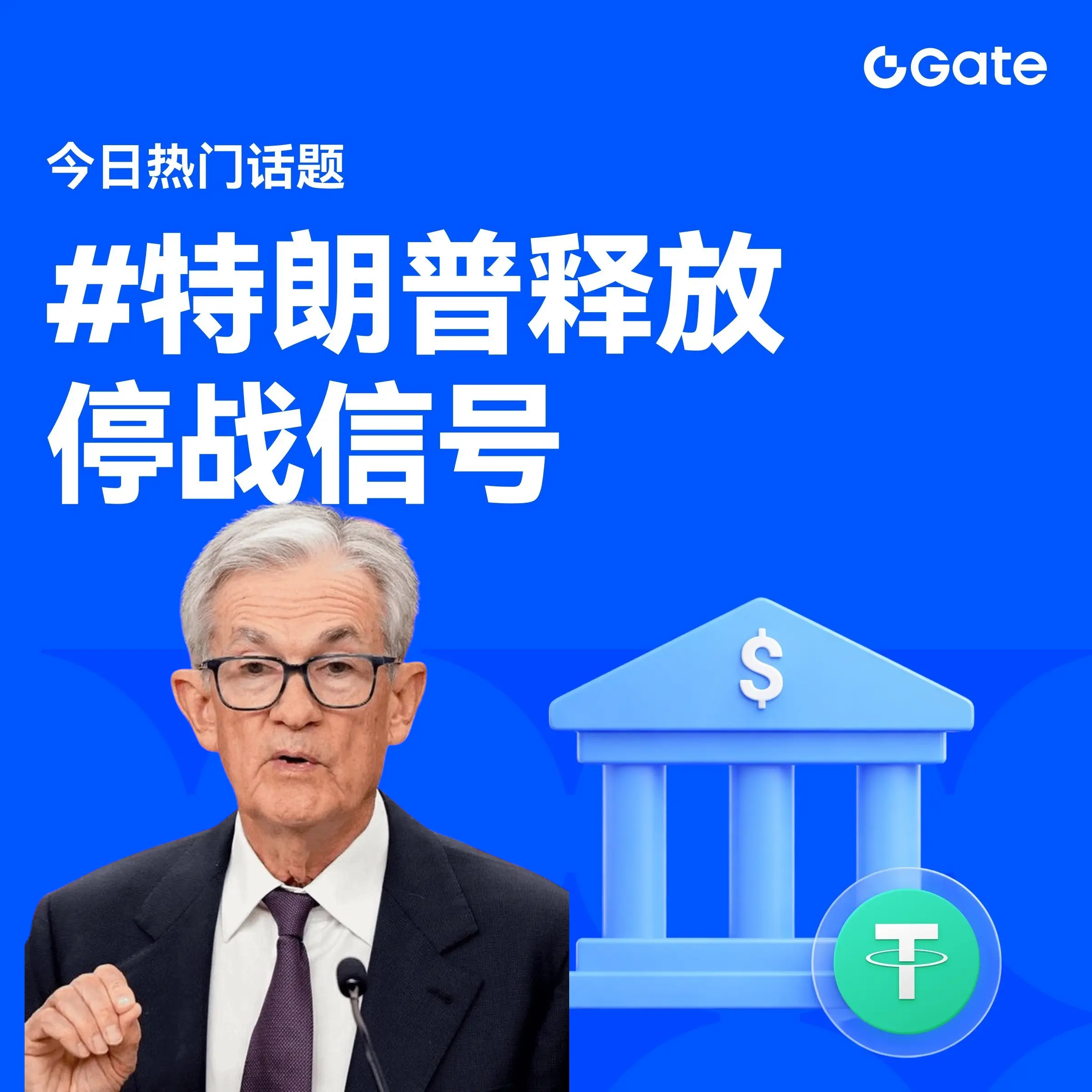
#特朗普释放停战信号
📈Recent developments indicate that the Trump administration is considering the possibility of ending the conflict with Iran. According to Wall Street Journal sources, Trump has indicated that he may consider ending the conflict even if the Strait of Hormuz remains closed — this news boosted US futures indices by nearly 1%.
However, true peace is still a long way off: the Iranian government rejects previous US offers as "unfair," states that there are no independent negotiations, and does not rule out the possibility of war. Iran also continues to threaten retaliation for attacks.
Thus, while markets are pricing in hopes for peace, they are also keeping the risk of continued conflict as a key factor.
📌 Strategic Assessment
The likelihood of the conflict ending through short-term diplomacy remains uncertain.
Iran's insistence on control over the Strait of Hormuz keeps long-term energy and geopolitical risks alive.
📉 2) Powell's "Dovish" Message & Overall Market Impact
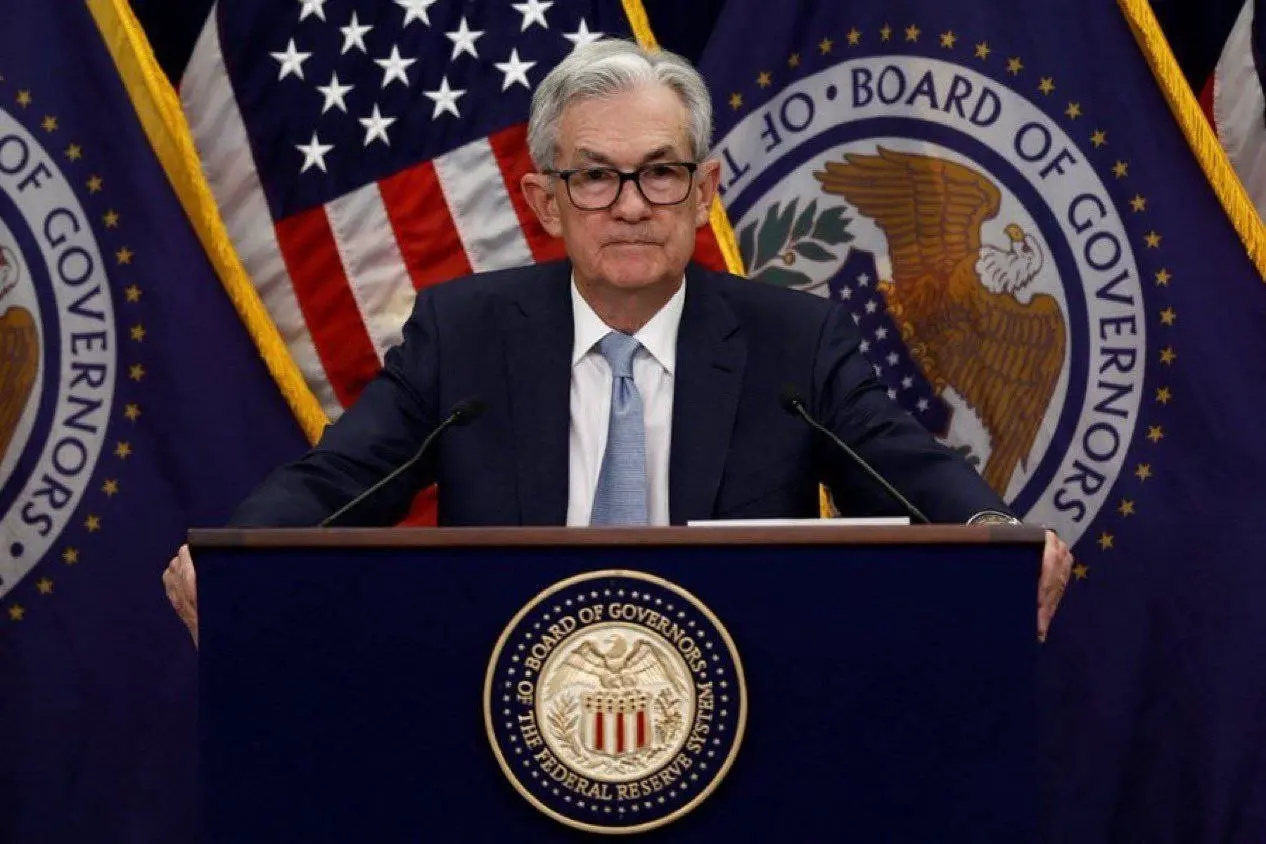
Fed Chairman Jerome Powell emphasized that inflation expectations are stable and the current policy stance remains in "safe zone" — this weakened expectations of interest rate hikes in the markets and strengthened the possibility of a softer monetary policy.
This provided support to risk markets while causing confusion in demand for safe-haven assets:
Bond yields fell,
The dollar showed a tendency to weaken,
However, overall risk appetite is still being weighed by geopolitical uncertainty.
📌 Powell's message presented investors with a "watch and see" themed risk sentiment.
💰 3) Gold – Oil – Crypto: Sectoral Opportunities and Risks
🌟 GOLD
Gold prices are trading at approximately $4,560/ounce, rising for the third consecutive session due to geopolitical concerns and Fed messages worldwide.
However:
The perception of easing geopolitical tensions can put pressure on gold;
But uncertainty and interest rates remaining lower than expected keep gold attractive as a safe-haven portfolio.
🎯 Strategy: Gold should be monitored as the primary hedge against future losses during periods of uncertainty. Technical momentum could strengthen, especially in scenarios where the price of gold breaks above the ounce.
🛢️ OIL
Brent crude oil is maintaining its high levels around ~$113 per barrel due to the partial closure of the Strait of Hormuz and potential supply risks.
As long as the risks of energy supply contraction persist, oil may continue its upward trend along with inflation expectations and risk assets.
🎯 Strategy: Price volatility in the energy sector offers strong return potential even in risky market conditions — energy indices and oil futures positions should be closely monitored.
₿ CRYPTO (BTC & ETH)
Crypto markets are performing positively due to Trump's diplomatic signals and geopolitical risk fluctuations:
Bitcoin is near $68K in the short term,
while Ethereum traded above ~$2,070.
The high correlation of the crypto market with risk assets suggests that momentum may continue as uncertainty decreases.
📌 Bitcoin and Ethereum may continue to be triggers for the short-term risk appetite cycle.
📊 4) Investor Perspective: Which Sector Should You Focus On?
Asset Strategic Outlook Featured Position Gold Geopolitical uncertainty + interest rate balance Hedge long position Oil Remains high due to supply constraints Energy futures & ETFs Crypto (BTC/ETH) Recovery in risk assets Momentum swing position
📍 BTC and ETH should remain in the forefront; gold is leading in safe-haven demand, while oil is leading in supply risks.
📌 Trump's "signal to end the conflict" increased risk appetite in the markets, but a real peace agreement is still unclear.
Powell's dovish tone suggests that monetary policy may remain soft; this is a potential support for risk assets.
Gold should be high on the list in a hedging and risk balance strategy.
Oil can maintain high price levels in the current geopolitical risk environment.
Crypto offers strong short-term opportunities in risk-focused trends.
👉 This week, my portfolio is primarily focused on BTC, ETH, XRP, Gold, Silver, and Energy Assets. What are your thoughts on recent developments? How have you structured your portfolio and investments? Which sectors are on your watchlist? Let's discuss in the comments.
#PowellDovishRemarksReviveRateCutHopes
repost-content-media
  • Reward
  • 20
  • 1
  • Share
ybaservip:
2026 GOGOGO 👊
View More
Recent statements from senior executives at major investment firm BlackRock have signaled that Bitcoin and cryptocurrency investments may be made available in the US retirement savings system.
A Fox Business analysis suggested that it would be possible to include crypto assets in 401(k) retirement accounts, theoretically meaning that "almost all Americans (around 80%) would have access to Bitcoin through 401(k) plans." This discussion is not yet a implemented rule; however, it runs parallel to information that the US Department of Labor (DOL) is working on a draft rule to include crypto in 401
BTC2,6%
post-image
post-image
  • Reward
  • 24
  • 1
  • Share
MasterChuTheOldDemonMasterChuvip:
DYOR 🤓
View More
Google's Report Changes the Timeline for the Crypto World
The quantum threat, long considered a theoretical risk by the cryptocurrency ecosystem, has become a concrete and urgent issue with a technical report published by the Google Quantum AI team on March 31, 2026. The report reveals that the encryption systems protecting giant blockchains like Bitcoin and Ethereum can be broken with significantly less quantum computing power than previously assumed, forcing the industry to rewrite its security timeline. These findings demonstrate that a transition to post-quantum cryptography (PQC) is no lo
BTC2,6%
ETH4,12%
post-image
  • Reward
  • 23
  • 1
  • Share
MasterChuTheOldDemonMasterChuvip:
坚定HODL💎
View More
  • Pin